Hoop Barns & Building Kits
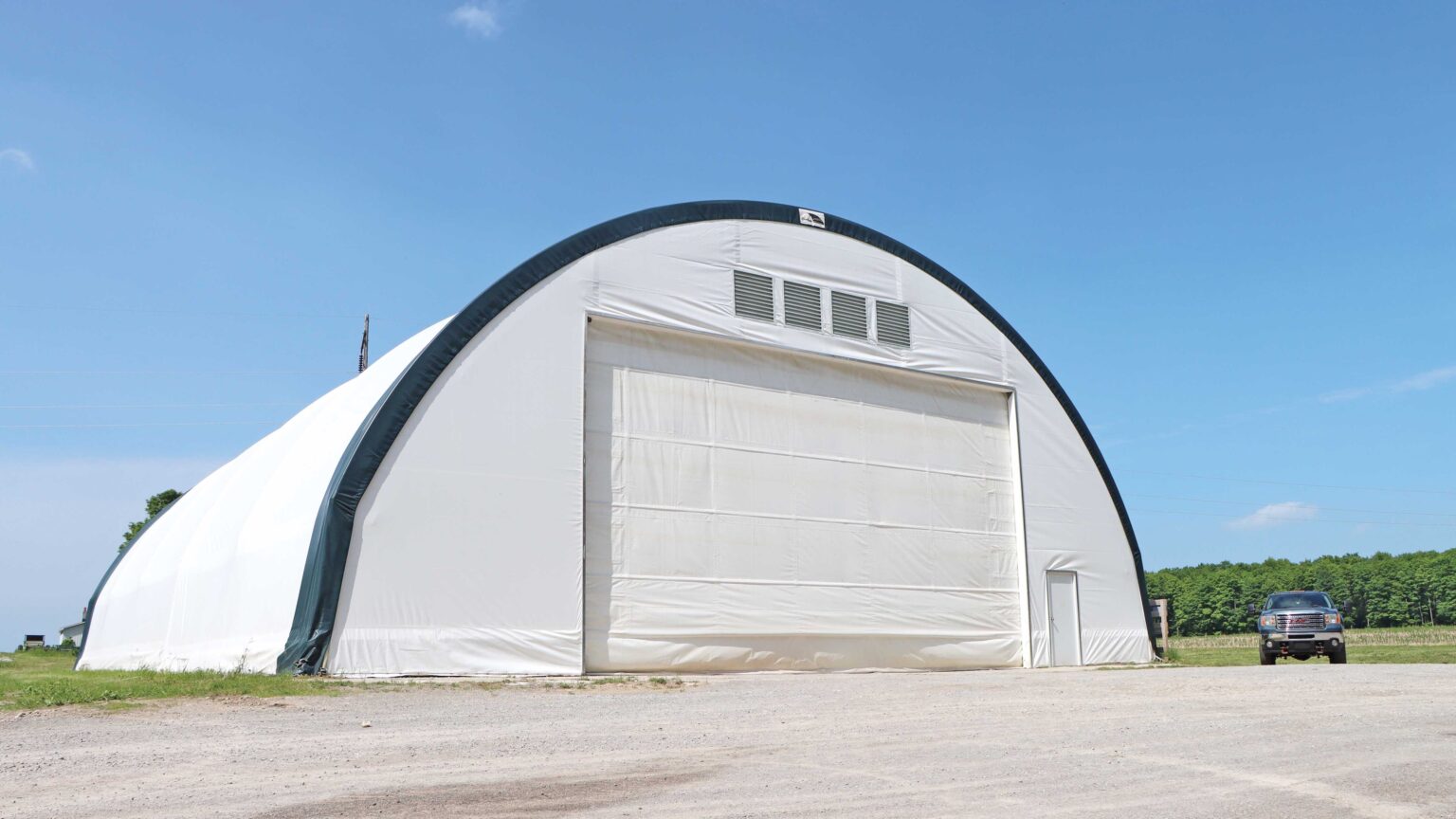
Hoop barns are becoming more popular for farmers, businesses, and event planners. These structures offer a cost-effective and versatile solution for storage, shelter, and various other uses. Hoop barns are fabric-covered buildings with a curved frame that provides a spacious, clear-span interior without support posts.
These buildings are quick to set up and can be customized to fit many needs. From hay and equipment storage to livestock shelters and event spaces, hoop barns adapt to different purposes. They’re built to handle tough weather, with some designs able to withstand heavy snow loads and high winds.
Hoop barns are eco-friendly too. The materials used in their construction are often recyclable, making them a green choice for those who care about the environment. With low maintenance needs and a long lifespan, these structures offer a smart investment for many users.
Fabric Building Key Points
- Hoop barns are versatile structures used for storage, shelter, and events
- These buildings are cost-effective, quick to construct, and environmentally friendly
- Hoop barns can be customized for various needs and withstand harsh weather conditions
What Can You Use Fabric Hoop Buildings For?
As an eBay Partner, we may be compensated if you make a purchase.
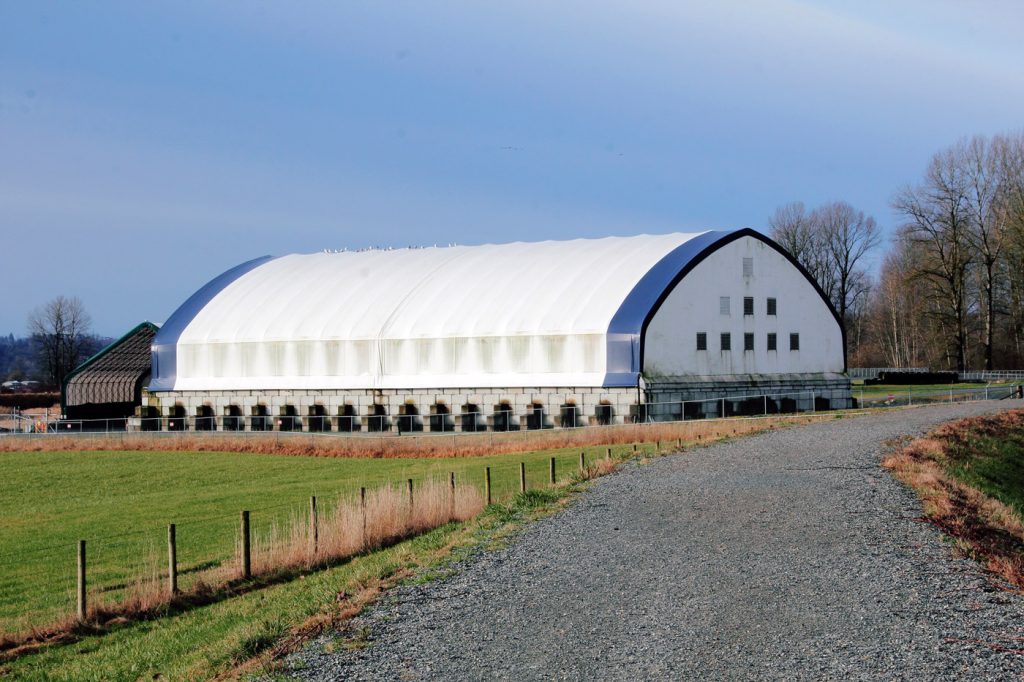
A hoop building or hoop barn is a type of structure with a distinctive arched shape. It gets its name from the curved, hoop-like frame that forms its skeleton. These buildings are often covered with fabric or canvas stretched over the frame.
Hoop barns are popular in agriculture and storage applications. They come in various sizes, from small sheds to large livestock shelters. The design allows for good airflow and ventilation.
Hoop barns are known for their cost-effectiveness. They’re usually cheaper to build than traditional barns. Many people choose to assemble them as do-it-yourself projects.
Key features of hoop buildings include:
- Lightweight aluminum or steel frames
- Fabric or canvas covers
- Rounded, arch-like shape
- Easy-to-install roll-up doors
Hoop barns are versatile. They can house animals, store equipment, or protect feed. Some common uses are:
• Cattle shelters • Sheep pens • Dairy facilities • Equipment storage • Hay storage
The simple design makes hoop buildings quick to set up. They require less maintenance than traditional barns. This makes them attractive for farmers and property owners looking for practical, affordable building solutions.
History and Origin of Hoop Barns
Hoop barns first appeared in Canada in the 1990s. Farmers needed a cheap way to house livestock and store crops. These simple structures met their needs perfectly.
The basic design uses arched metal frames covered with tough fabric. This creates a tunnel-like shelter that’s quick and easy to build. Early hoop barns were used mostly for pigs and cattle.
By the early 2000s, hoop barns spread to the United States. Farmers liked how affordable and versatile they were. They could be used for animals, hay storage, or even machinery.
As time went on, people kept finding new uses for hoop barns. Some farmers started using them for calving or as shelters for horses. Others turned them into workshops or greenhouses.
Today, hoop barns come in many sizes and styles. Some are small enough for a backyard. Others are huge structures used on large farms. They remain popular because they’re cheap to build and maintain.
Hoop barns have come a long way since their early days. But their basic purpose stays the same – providing simple, low-cost shelter on farms big and small.
Design and Structure
Hoop barns have a unique curved shape and simple construction. Their design allows for flexible uses while providing shelter from the elements.
Materials Used
Hoop barns use a mix of durable materials. The frame is typically made of galvanized steel tubing. This creates the curved “hoop” shape. The cover is usually a heavy-duty polyethylene fabric. This fabric is UV-resistant and waterproof.
Some hoop barns may use wood for end walls or interior features. Concrete is often used for the foundation and floor. The combination of steel, fabric, and concrete creates a strong yet lightweight structure.
Size and Dimensions
Hoop barns come in various sizes to fit different needs. Common widths range from 30 to 100 feet. Lengths can be customized, often starting at 40 feet and extending much longer.
The height of a hoop barn depends on its width. A 100-foot wide barn may reach 50 feet tall at its peak. Smaller barns might be 15-20 feet high at the center.
Interior space is open and flexible. This allows for easy equipment access and storage. Some designs include options for adding interior walls or partitions.
Architectural Features
Hoop barns have several key architectural elements. The curved roof is their most notable feature. This design sheds snow and rain effectively. It also provides excellent headroom inside.
Ventilation is important in hoop barn design. Many include roll-up sides for air flow. End walls may have large doors or openings. Some designs feature ridge vents at the top of the structure.
Lighting is often provided by translucent panels in the roof cover. This allows natural light to enter. Artificial lighting can be added as needed for different uses.
Hoop Structure Applications and Uses
Hoop barns serve many purposes in agriculture and beyond. These versatile structures offer flexible spaces for various needs on farms and rural properties.
Equipment Protection
Hoop barns keep valuable farm machinery safe from the elements. Tractors, combines, and other large equipment fit easily under the high arched roof. The open design allows easy access for moving vehicles in and out.
Farmers can store seasonal equipment when not in use. This extends the lifespan of expensive machines by shielding them from sun, rain, and snow. The cover also prevents rust and weathering.
Some hoop barns have concrete floors for a cleaner storage environment. Others use gravel or dirt floors. Either way, the shelter stops moisture damage to metal parts and electronics.
Agricultural Storage
Crops and supplies stay dry in hoop barns. The structures work well for hay, straw, and feed storage. Farmers stack bales high under the peaked roof.
Grain bins inside hoop barns protect harvests from pests and weather. The fabric cover stops rain and snow from reaching stored crops. This cuts down on spoilage and waste.
Tool sheds and workshops fit nicely in hoop barns too. The open space allows room for workbenches and equipment. Good airflow helps with ventilation when working on engines or welding.
Livestock Housing
Many farmers use hoop barns as animal shelters. The buildings work for cattle, pigs, sheep, and other livestock. The structures keep animals dry and out of harsh weather.
Open sides allow fresh air to circulate. This helps prevent respiratory issues in confined animals. Bedding like straw or wood shavings make comfy spaces for livestock to rest.
Hoop barns adapt well for different animal needs. Farmers add feed bunks, water troughs, and gates as needed. The buildings also work for birthing areas and nursery pens.
Riding Arena
Horse owners enjoy hoop barns as indoor riding spaces. The clear span design creates a large open area for riding and training. No support poles get in the way of horse and rider.
Good lighting and ventilation make for pleasant year-round use. Riders stay dry in rainy weather. The cover blocks wind and provides shade on hot days.
Some arenas have special footing material for better traction. Others keep a simple dirt floor. Either way, the covered space allows consistent riding conditions despite outside weather.
Benefits of Hoop Buildings
Hoop buildings offer many advantages for farmers and businesses. They are budget-friendly, can serve multiple purposes, and stand up well to harsh weather.
Cost-Effectiveness
Hoop buildings are much cheaper than traditional barns. They use less material and are faster to build. The simple design cuts down on labor costs too. A single truss hoop barn costs about $3.50 per square foot, while a double truss is around $4.80 per square foot.
Maintenance costs stay low over time. The fabric cover lasts many years and is easy to replace when needed. Farmers save money on lighting and ventilation. The open design lets in natural light and air flow.
Versatility
These structures work for many uses on farms and beyond. They can house livestock, store equipment, or shelter crops. Their open floor plans make it easy to change the layout as needs change.
Hoop barns come in widths from 20 to 140 feet. Custom sizes are also possible. This range fits small family farms up to large commercial operations. The buildings can be permanent or moved if needed.
Durability
Despite their light frames, hoop buildings are tough. The arched shape helps them handle wind and snow loads well. Quality fabric covers resist tears and UV damage for years of use.
The aluminum frames don’t rust like steel. This means less upkeep in wet climates. Good ventilation keeps the inside dry, which protects both the structure and its contents.
In harsh weather, hoop barns keep animals safe and comfortable. The cover blocks rain and wind while letting fresh air circulate.
Construction Process
Building a hoop barn involves several key stages. Each step requires careful planning and execution to create a sturdy and functional structure.
Site Preparation
The first task is to clear and level the building site. Remove any rocks, debris, or vegetation from the area. Grade the ground to create a flat, even surface. This helps with drainage and provides a stable base for the barn.
Mark out the barn’s footprint using stakes and string. Use the 3:4:5 rule to square the corners. This method ensures right angles by measuring 3 feet along one side, 4 feet along the other, and checking that the diagonal is 5 feet.
Consider soil conditions and drainage needs. Add gravel or sand if needed to improve the site’s stability and water management.
Foundation Work
Hoop barns often use simple foundation systems. One common option is to install ground posts. These are typically metal pipes driven into the ground at set intervals.
Another choice is a concrete perimeter foundation. This involves pouring a continuous concrete footing around the barn’s edge. It provides a solid base and helps anchor the structure.
Some builders opt for concrete piers at key points instead of a full perimeter. This can save on material costs while still offering good support.
Proper foundation work is crucial. It affects the barn’s stability and longevity.
Frame Construction
Hoop barn frames use curved trusses to create their distinctive shape. Trusses are often made of galvanized steel for strength and rust resistance.
Start by assembling the trusses on the ground. Large barns may require joining truss sections together. Once ready, lift each truss into place using machinery or manpower.
Secure the trusses to the foundation system. Add purlins (horizontal supports) between trusses to increase stability.
Install end wall framing to close off the structure. This typically uses straight metal or wood posts and beams.
Covering Materials Installation
The final major step is adding the cover. Most hoop barns use heavy-duty fabric or plastic sheeting designed for durability.
Begin at one end of the barn. Unroll the covering material over the frame. Secure it tightly using specialized clips or fasteners.
Work your way down the length of the barn, pulling the cover taut as you go. This prevents sagging and improves weather resistance.
Install end wall coverings last. These may use the same material as the main cover or different materials like metal panels.
Proper installation is key to the cover’s lifespan. Follow manufacturer guidelines for tensioning and securing the material.
Maintenance and Upkeep
Proper care of a hoop barn helps it last longer and work better. Regular checks, quick fixes, and seasonal prep are key for keeping these structures in good shape.
Routine Inspections
Check the hoop barn often for signs of wear. Look at the cover for tears or loose spots. Inspect the frame for rust or bent parts. Make sure doors and vents open and close right. Check that anchors are still tight in the ground.
Keep the inside clean. Sweep out dirt and trash. Look for signs of pests like rodents or birds. Check that stored items are not pushing on the walls or cover.
Test lights and fans if you have them. Make sure water drains away from the barn after rain. Write down what you find during checks to track issues over time.
Repairing Damage
Fix small problems fast before they get worse. Patch tiny holes in the cover with special tape made for fabric buildings. For bigger tears, use a patch kit or call a pro.
Tighten loose bolts on the frame. Replace any that are rusty. Straighten bent frame parts if you can. If not, get new ones to keep the structure strong.
Clean and touch up rusty spots on metal parts. Use paint made for barns to stop more rust. Replace damaged door parts like hinges or locks right away.
Seasonal Considerations
Get ready for each season to protect your hoop barn. In fall, clear leaves and debris from the roof and gutters. Check that heating systems work if you use them.
Before winter, remove snow buildup from the roof. Too much weight can harm the structure. Make sure doors seal tight to keep out cold air and pests.
In spring, look for winter damage. Fix any issues from ice or snow. Clean the cover to stop mold growth. Check that vents work to keep air moving as it gets warmer.
Summer heat can stretch the cover. Adjust it if needed to keep it tight. Make sure fans work to cool the barn. Trim plants near the barn to stop bugs and moisture problems.
Environmental Considerations
Hoop barns offer several eco-friendly features that can benefit farms and the environment. These structures have the potential to reduce resource use and environmental impact when designed thoughtfully.
Sustainability Features
Hoop barns use fewer building materials than traditional barns. This cuts down on resource consumption and waste. The simple design allows for natural lighting and ventilation. This reduces energy needs for artificial lighting and climate control.
Hoop structures can be moved or taken down easily. This flexibility lets farmers adjust their setup as needed without major construction. The open-air design promotes better air quality for animals. It also allows for composting of manure right in the barn.
Proper siting can take advantage of natural windbreaks and sun exposure. This further cuts energy use. Some hoop barns incorporate rainwater collection systems. This provides a sustainable water source for livestock or crops.
Climate Impact
Hoop barns can help farms adapt to changing weather patterns. The structures offer protection from extreme heat, cold, and storms. This shields animals and stored materials from harsh conditions.
The open sides allow for good air flow. This keeps animals cooler in summer without air conditioning. In winter, the greenhouse effect traps some heat. This reduces heating needs compared to drafty traditional barns.
Hoop barns’ lower material use means less embedded carbon. Their simple construction requires less energy than building complex structures. Some designs use local or recycled materials. This further cuts transportation emissions and resource use.
Material Recycling and Disposal
Many hoop barn components can be reused or recycled at the end of their life. The metal frame is recyclable. Wood elements may be repurposed on the farm. The plastic cover can often be recycled, depending on local facilities.
Some farmers compost old cover material on-site. This keeps it out of landfills. Others find creative reuses, like making tarps or row covers. When disposing of materials, it’s important to follow local guidelines. This ensures proper handling of any non-recyclable items.
Choosing durable, high-quality materials extends the barn’s lifespan. This reduces the need for replacements and cuts long-term waste. Regular maintenance also helps materials last longer.
Regulatory Compliance
Building a hoop barn requires careful attention to local and state regulations. Farmers must navigate building codes, zoning laws, and safety standards to ensure their structure meets all legal requirements.
Building Codes
Hoop barns often fall under agricultural building codes. These codes may be less strict than those for residential or commercial structures. Still, they cover important aspects like:
• Structural integrity • Wind and snow load ratings • Fire safety measures • Ventilation requirements
Farmers should check with their local building department for specific code requirements. Some areas may require engineered plans or inspections during construction.
Zoning Laws
Zoning regulations control land use and building placement. For hoop barns, key zoning considerations include:
• Setbacks from property lines • Height restrictions • Lot coverage limits • Permitted agricultural uses
Farmers may need to apply for a zoning permit or variance. Some zones allow agricultural structures by right, while others require special approvals.
Safety Standards
Safety is crucial for hoop barn construction and operation. Important safety standards cover:
• Electrical systems and lighting • Manure management • Animal handling facilities • Worker safety measures
OSHA regulations may apply to larger operations. Proper safety signage and equipment should be installed. Regular safety inspections can help prevent accidents and ensure compliance.
Future Trends in Hoop Building Construction
Hoop barns are set to evolve with new materials and smart tech. These changes will make them more efficient and eco-friendly.
Innovative Materials
Fabric choices for hoop barns are getting better. New synthetic fabrics last longer and resist UV rays. Some even have self-cleaning properties. This means less upkeep for farmers.
Recycled materials are becoming more common. Frames made from recycled steel or aluminum cut costs and help the planet. Some companies are testing bamboo for smaller structures. It’s strong and grows fast.
Insulation is improving too. New spray foams keep heat in during winter and out in summer. This makes hoop barns comfy for animals all year round.
Smart Technology Integration
Hoop barns are getting smarter. Sensors can now track temperature, humidity, and air quality. Farmers get alerts on their phones if something’s off.
Automated systems are taking over basic tasks. Feeders and waterers can work on their own. This saves time and makes sure animals always have what they need.
Lighting systems are changing too. LED lights use less power and last longer. Some even change color to match animal sleep patterns. This can boost health and production.
Cameras and AI are helping farmers watch their herds. These tools can spot sick animals early. They also track how much animals eat and move around.
Frequently Asked Questions
Hoop barns are versatile structures that offer cost-effective solutions for many agricultural and storage needs. People often have questions about their uses, costs, and longevity.
What are the common uses of hoop barns?
Hoop barns are used for many purposes. Farmers use them to house livestock like cattle, sheep, and pigs. They also store hay, grain, and farm equipment.
Some people use hoop barns as workshops or garages. These structures can even serve as riding arenas for horses.
How does the cost of constructing a 40×60 hoop barn vary?
The cost of a 40×60 hoop barn can range from $20,000 to $40,000. This price depends on several factors.
The type of foundation affects the cost. A simple gravel base is cheaper than a concrete slab. The quality of materials used also impacts the price.
Labor costs vary too. Some people build their own hoop barns to save money. Hiring professionals increases the cost but ensures proper construction.
What factors influence the price of hoop barn kits?
Size is a major factor in hoop barn kit prices. Larger barns cost more than smaller ones.
The type of cover material affects the price. Some covers are more durable and expensive than others.
Extra features like doors, windows, and ventilation systems add to the cost. The quality of the frame materials also impacts the price.
What is the typical lifespan of a hoop barn?
A well-built hoop barn can last 15 to 20 years. Proper maintenance is key to longevity.
The cover typically needs replacement every 7 to 10 years. The frame can last much longer with good care.
Harsh weather conditions can shorten a hoop barn’s life. Regular inspections and repairs help extend its usefulness.
What are alternatives to hoop barn constructions?
Traditional pole barns are a common alternative. These have wooden frames and metal siding.
Steel buildings offer durability but often cost more than hoop barns. Prefab metal structures are another option.
For smaller storage needs, shipping containers or sheds might work. Some farmers use tension fabric buildings as an alternative to hoop barns.
Can you suggest some reputable hoop barn builders?
FarmTek is a well-known hoop barn manufacturer. They offer a wide range of sizes and options.
ClearSpan Fabric Structures is another respected company. They specialize in large-scale hoop barns.
Local builders often construct hoop barns too. It’s wise to check reviews and ask for references before choosing a builder.